The Great Discussion: Sugar Beet Vs Sugar Cane - Which Is the Superior Option for Sweeteners?
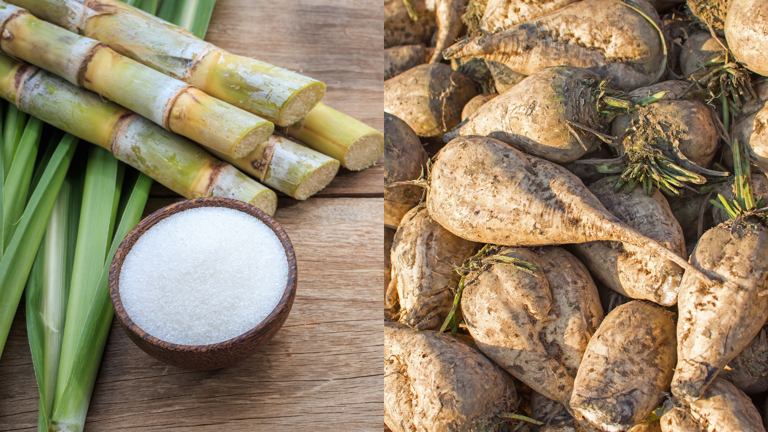
The discussion over sugar beet versus sugar cane as the preferred sugar involves several important variables. Each offers unique benefits and obstacles relating to production, taste, and wellness implications. While sugar beet may interest those focusing on sustainability, sugar cane has its own social and culinary significance. As consumers become extra conscious of their options, the concern stays: which sugar genuinely stands out in today's market?
The Origins of Sugar Beet and Sugar Cane
Although sugar cane has actually been cultivated for countless years, mostly in tropical regions, sugar beet emerged as a considerable choice in cooler climates during the 18th century. Sugar cane, belonging to Southeast Asia, was first domesticated around 8000 BCE and spread out worldwide through trade and expedition. Its high sucrose web content made it a valuable crop, leading to considerable ranches in areas like the Caribbean and Brazil.
In contrast, sugar beet was first cultivated in the Mediterranean around the 18th century, especially acquiring grip in Europe as a reaction to sugar cane lacks. The plant prospers in warm climates, making it ideal for regions with chillier weather condition. The discovery that sugar might be drawn out from beet origins reinvented sweetener production, particularly during the Napoleonic Wars when trade limitations minimal cane sugar accessibility. The rise of sugar beet growing marked an essential minute in the background of sweeteners, supplying a neighborhood resource for numerous nations.
Production Processes: From Field to Sweetener
The production procedures of sugar beet and sugar cane reveal substantial distinctions in growing techniques, harvesting approaches, and improvement phases. Understanding these nuances is crucial for appreciating how each crop contributes to the total sugar market. This comparison highlights the one-of-a-kind features and challenges related to both resources of sweet taste.
Growing Techniques Contrast
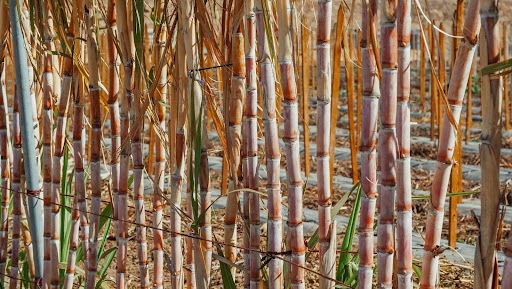
Growing methods for sugar beet and sugar cane disclose unique methods that affect their production processes, from area preparation to final sweetener extraction. Sugar beet cultivation generally entails raking and harrowing to create a fine seedbed, complied with by seeding in rows to help with development. This plant advantages from cooler climates and is frequently planted in spring. On the other hand, sugar cane is usually planted in furrows with pre-sprouted cane items, requiring a cozy, exotic environment for suitable development. Cane areas are usually outlined to take care of water successfully, provided its need for significant irrigation. Both plants are managed with particular fertilization and insect control techniques customized to their development environments, affecting yield quality and effectiveness in sugar extraction.
Collecting Methods Discussed
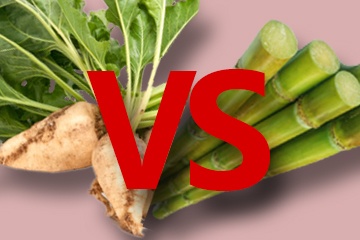
Effective harvesting techniques for sugar beet and sugar cane play an important function in assuring optimal yield and top quality of the end product. Sugar beet collecting normally uses mechanical root farmers, which successfully root out the beetroots from the soil and separate them from the vegetation. This approach decreases damage to the beetroots and minimizes labor expenses. On the other hand, sugar cane harvesting might make use of either manual work or equipment, relying on the region and range of manufacturing. Mechanical farmers reduced the cane at the base and typically strip away the fallen leaves, enhancing the process for larger fields. Both techniques require mindful timing to assure the crops are collected at peak sweet taste, affecting the quality of the final sweetener item.
Refinement Process Distinctions
While both sugar beet and sugar cane go through strenuous improvement processes to change their raw types right into functional sugar, the approaches employed differ considerably. Sugar beet refinement begins with washing and slicing the beets right into slim cossettes, followed by diffusion, where warm water extracts sucrose. The resulting juice is then cleansed, focused, and crystallized. On the other hand, sugar cane handling entails squashing the stalks to remove juice, which is then clarified using lime and warm to remove impurities. The cane juice is evaporated to form syrup prior to condensation. Ultimately, while both processes aim to generate white sugar, the unique strategies highlight the distinct features of each source and their effects for flavor and purity in the final item.
Nutritional Profiles: What's in Your Sugar?
The dietary accounts of sugar beet and sugar cane present distinct distinctions worth analyzing. This comparison includes elements such as caloric content, mineral and vitamin visibility, and variants in glycemic index. Recognizing these aspects can give insights into just how each sugar may impact total health and wellness.
Caloric Web Content Contrast
Understanding the calorie material of sugar beet and sugar cane is vital for those conscious of their dietary choices. Both sweeteners largely contain sucrose, contributing a comparable caloric worth. Generally, sugar beet includes around 387 calories per 100 grams, while sugar cane has regarding 390 calories per the exact same quantity. The slight distinction in calorie web content might not considerably impact most diet plans; nevertheless, it is remarkable for those very closely monitoring their caloric consumption. In addition, both sugar sources give energy however lack important nutrients, making them mostly resources of empty calories. Individuals looking for healthier choices might desire to take right into account these elements when choosing between sugar beet and sugar cane as their preferred sweetener.
Mineral and Vitamin Material
Calorie material provides only a component of the picture when reviewing sugar beet and sugar cane. Both resources of sugar differ considerably in their mineral and vitamin profiles. Sugar beets are remarkably rich in crucial nutrients, consisting of potassium, magnesium, and iron. They additionally include small quantities of vitamins such as B6 and folate, adding to their nutritional worth. In contrast, sugar cane provides a various collection of advantages, containing calcium, phosphorus, and traces of B vitamins. While neither choice is a significant resource of minerals and vitamins compared to whole foods, sugar beetroots might have a small edge due to their greater mineral content. Ultimately, customers seeking nutritional gain from sugar ought to think about these differences in accounts.
Glycemic Index Distinctions
Glycemic index plays a crucial function in reviewing exactly how various sweeteners influence blood sugar levels. Sugar beet and sugar cane show noteworthy differences in their glycemic actions. Normally, sugar beet has a reduced glycemic index contrasted to sugar cane, causing a slower and steadier increase in blood sugar degrees after consumption. This quality might make sugar beet a more effective option for people taking care of diabetes or those looking for to preserve steady energy degrees. On the other hand, sugar cane has a tendency to cause a much more quick spike in blood glucose, which can cause quicker power collisions. Understanding these distinctions is considerable for customers aiming to make enlightened dietary selections concerning sweeteners and their influence on general health.
Ecological Impact: Sustainability Factors To Consider
While both sugar beet and sugar cane are vital resources of sugar, their environmental effects and sustainability factors to consider differ substantially. Sugar beetroots, mainly expanded in temperate regions, typically require much less water and can be grown in diverse climates. They likewise gain from crop rotation practices, which improve dirt health and wellness and lower the demand for artificial fertilizers. Extensive farming of sugar beets can lead to dirt deficiency and pesticide usage.
In contrast, sugar cane flourishes in exotic environments and frequently demands considerable water resources for irrigation (Sugar beet vs sugar cane). The monoculture nature of sugar cane farming can worsen soil disintegration and biodiversity loss. In addition, the burning of cane areas before harvest launches carbon emissions and adds to air contamination. Both crops face obstacles relevant to climate adjustment, however their differing growing practices profoundly influence their total sustainability accounts. The choice between sugar beet and sugar cane entails considering these ecological effects carefully.
Preference and Culinary Makes Use Of: Which Sweetener Reigns Supreme?
The option between sugar beet and sugar cane prolongs past ecological considerations to advice incorporate taste and culinary applications. Sugar beet, typically perceived as having a somewhat various flavor account, has a tendency to be less pleasant than sugar cane. This subtle distinction can affect its usage in recipes, especially in baked items where a neutral sweet taste is wanted.
Alternatively, sugar cane is celebrated for its distinct, abundant, and extra intricate flavor, making it a preferred option for drinks and desserts - Sugar beet vs sugar cane. Its natural molasses material can boost the deepness of tastes in different recipes
In cooking, sugar cane's flexibility beams via in sauces, lusters, and confections, while sugar beet is typically discovered in processed foods and sweeteners like granulated sugar. Eventually, the choice in you can find out more between both sweeteners typically rests on individual preference choices and certain culinary applications, with each offering one-of-a-kind benefits in the cooking area.
Health Implications: Sugar Beet Vs Sugar Cane
Both sugar beet and sugar cane have distinctive health implications that can affect customer selections. Sugar beet vs sugar cane. Sugar beet is usually concerned for its greater fiber material, which can aid gastrointestinal wellness. In addition, it consists of specific anti-oxidants that may contribute to general wellness. On the various other hand, sugar cane is rich in nutrients such as calcium, potassium, and magnesium, supplying some mineral benefits
Nonetheless, both sources largely include sucrose, which can result in comparable wellness issues when taken in exceedingly, such as excessive weight, diabetes, and heart problem. The processing approaches additionally vary; sugar beet is normally fine-tuned much more intensively, potentially resulting in a loss of specific nutrients. Consumers concerned about ingredients may favor sugar cane, as it commonly undertakes less handling. Eventually, recognizing these wellness ramifications can guide people toward making notified decisions concerning their sweetener options.
Consumer Preferences: Fads and Insights
Customer preferences for sugar have actually evolved considerably recently, affected by wellness fads, environmental worries, and nutritional selections. Enhanced recognition of the unfavorable health and wellness effects connected with excessive sugar consumption has actually led lots of customers to look for options. This change has actually prompted a growing rate of interest in all-natural sugar, with sugar beet and sugar cane going to the center of discussions.
Research study shows that customers are significantly preferring sugar beet due to its perceived environmental advantages, as it is often grown closer to refining plants, lowering transport emissions. Alternatively, sugar cane is commonly connected with exotic regions and might bring understandings of sustainability difficulties.
Often Asked Questions
Exactly How Do Sugar Beet and Sugar Cane Affect Blood Sugar Levels?
Sugar beet and sugar cane both contain sucrose, which can elevate blood sugar level degrees. The influence mainly depends upon specific metabolism and intake amounts, yet both sources contribute similarly to blood sugar reactions in many instances.
Which Sweetener Is Better for Baking and Food preparation?
When assessing sweeteners for baking and cooking, one must think about structure, taste, and moisture retention. Sugar beet and sugar cane both offer one-of-a-kind qualities, with sugar cane usually favored for its richer taste profile in culinary applications.
Can Sugar Beet or Cane Be Utilized in Vegan Diets?
Both sugar beet and sugar cane can be made use of in vegan diet plans. They are plant-derived sweeteners, making them ideal for individuals looking for vegan-friendly choices without pet items, making certain moral options in their cooking techniques.
What Are the Historical Uses Sugar Beet and Cane?
Historically, sugar beet and cane worked as crucial resources of sweetness, with cane grown in exotic areas and beet in temperate zones. Both have actually been essential to numerous cultures, economic situations, and cooking customs throughout history.
Exist Any Alternatives to Sugar Beet and Cane?
Alternatives to sugar beet and cane consist of agave nectar, honey, syrup, and man-made sugar like aspartame and sucralose. These alternatives use differing tastes and wellness advantages, appealing to varied dietary choices and restrictions.
Comments on “Sugar beet vs sugar cane: Lesser-known insights every student should know”